
You know, sometimes SEO feels like that one party guest who refuses to leave, always showing up with a new story or another algorithm twist. First, everyone panicked about voice search changing everything. Then AI search experiences arrived and made brands rethink their entire content strategy. Yet through every “SEO revolution,” backlinks still remain part of the conversation.
In 2026, search engines are smarter, AI-generated content is everywhere, and Google’s ranking systems are more context-aware than ever. But backlinks still matter because they continue to act as trust signals. They help search engines determine whether your content deserves visibility or should disappear into the digital noise.
Algorithms evolve. User behavior changes. But backlinks remain one of the strongest foundations behind successful SEO Services and long-term organic visibility.
Build Authority That Lasts
Strong backlinks still help websites earn trust, visibility, and long-term rankings in competitive search results.
Backlinks Are No Longer About Quantity
There was a time when SEO Services were heavily focused on collecting links at scale. More links meant better rankings. That approach no longer works.
Modern search engines evaluate:
- Relevance
- Topical authority
- Context
- Link placement
- User engagement
- Site quality
- Brand trust
A single backlink from a respected niche publication now carries more value than dozens of low-quality directory submissions.
Think of backlinks in 2026 as reputation signals instead of ranking shortcuts. Search engines want evidence that credible websites trust your content enough to reference it naturally.
That is why strategic Off-Page SEO and ethical link-building remain essential for businesses trying to compete in crowded industries.
Google’s AI-Powered Search Makes Authority More Important
AI-generated content exploded across the internet over the last two years. Because of that, Google has become even more aggressive about filtering low-value pages. As AI continues reshaping search behavior, businesses are also rethinking how they approach keyword targeting and optimization strategies, especially with the rise of AI-assisted SEO workflows discussed in How AI Is Changing SEO Keyword Research & Content Optimization.
Search engines now evaluate:
- Content originality
- Brand expertise
- Topical consistency
- Author credibility
- User satisfaction
- External validation signals
Backlinks continue to serve as one of the clearest external validation signals available.
A page with excellent content but no authority references often struggles to outperform a page supported by trusted backlinks and strong engagement metrics.
For agencies offering SEO services, this means link-building can no longer exist separately from content strategy. High-quality links only come when the content itself provides genuine value.
Smarter SEO Needs Smarter Link Building
AI-driven search rewards websites with credible backlinks, relevant content, and strong topical authority.
The Data Still Supports Link Building
Look at nearly any major SEO ranking study in 2026 and the pattern remains consistent: top-ranking pages typically have stronger backlink profiles and more referring domains than lower-ranking competitors.
That does not mean backlinks are the only ranking factor. They are not.
But they still influence:
- Domain authority
- Crawl discovery
- Ranking stability
- Topical trust
- Keyword competitiveness
- Indexing speed
A diversified backlink profile also helps protect websites during major SEO updates. Sites with trustworthy link ecosystems generally recover faster from algorithm volatility compared to sites relying on weak or manipulative links.
Why Backlinks Still Matter in 2026
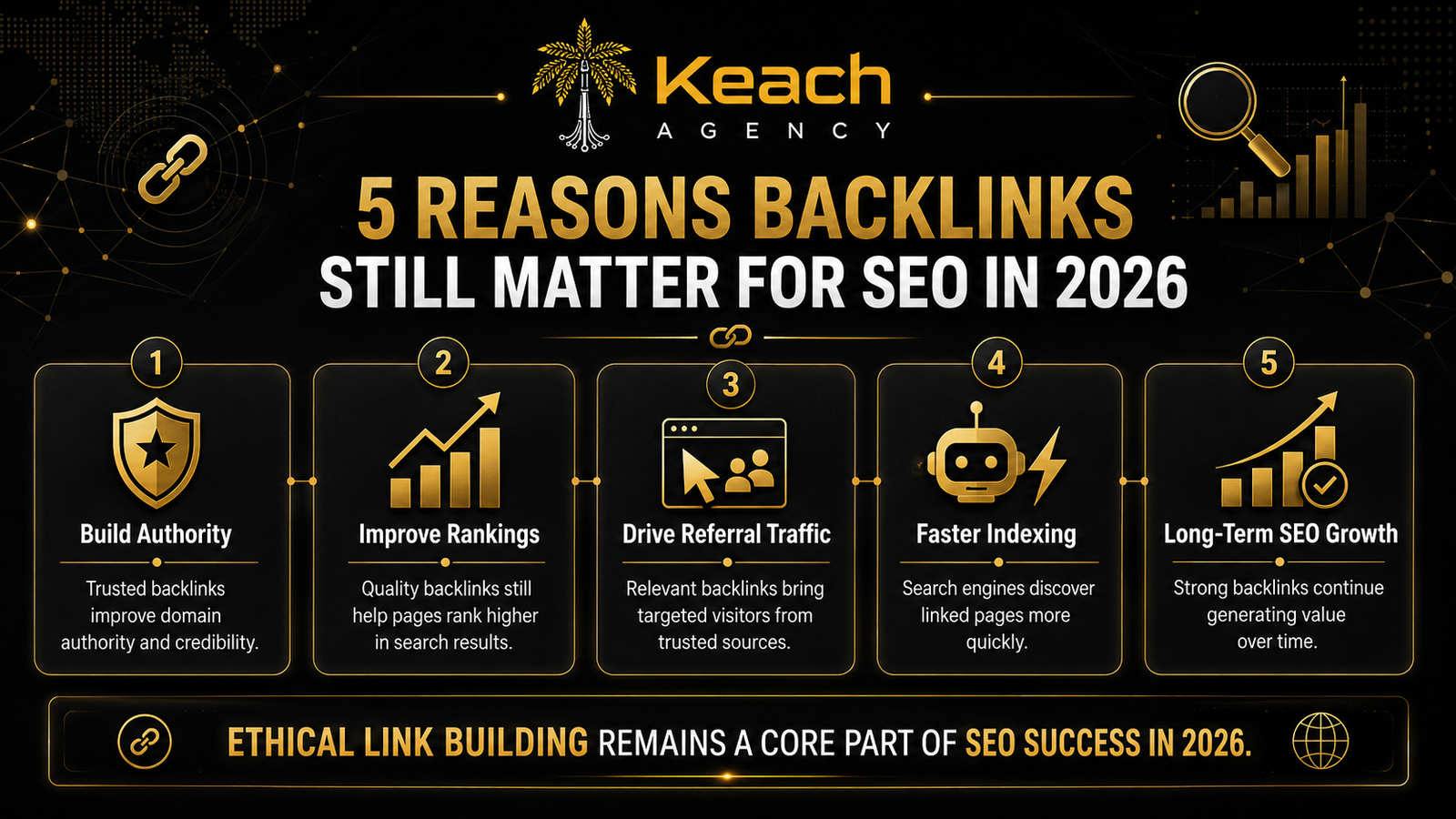
1. Backlinks Build Topical Authority
When respected industry websites link to your content, search engines interpret that as a signal that your brand belongs in that conversation.
For businesses offering SEO Services, backlinks strengthen both rankings and market credibility at the same time.
The more contextually relevant your backlinks are, the more authority your website builds within its niche.
2. Backlinks Drive Qualified Traffic
SEO is not only about rankings.
A quality backlink placed on an industry publication, trusted blog, podcast resource page, or niche community can drive highly relevant visitors directly to your website.
These visitors already care about your topic, which means:
- better engagement
- stronger conversions
- lower bounce rates
- higher trust
Sometimes, referral traffic from a strong backlink performs better than organic traffic itself.
3. Backlinks Help Pages Get Indexed Faster
Search engines constantly crawl authoritative websites looking for fresh content.
When your pages earn links from trusted sources, crawlers discover and index your content faster.
This matters even more in 2026 because search results move quickly, especially in:
- AI
- SaaS
- finance
- healthcare
- technology
- digital marketing
Faster indexing gives your content a better chance to compete before topics become saturated.
4. Backlinks Differentiate Similar Content
The content gap between competitors keeps shrinking.
Everyone publishes:
- guides
- checklists
- tutorials
- comparisons
- “ultimate” resources
When multiple pages target similar keywords with similar quality, backlinks often become the deciding factor.
Strong off-page SEO helps search engines determine which content deserves priority visibility.
5. Good Links Create More Links Over Time
One of the most overlooked benefits of quality link building is momentum.
Strong content supported by trustworthy backlinks naturally attracts:
- citations
- mentions
- journalist references
- roundup inclusions
- resource page placements
Over time, your authority compounds.
That creates a sustainable SEO advantage that paid advertising alone cannot replicate.
Link Building in 2026 Requires Strategy, Not Shortcuts
The days of buying thousands of spammy backlinks are effectively over.
Modern link-building focuses on relevance, authority, and relationship-building.
Here is what actually works in 2026:
Build Hyper-Relevant Links
Focus on:
- industry publications
- niche blogs
- digital PR
- expert roundups
- podcasts
- local media
- community resources
Relevance matters more than raw domain metrics alone.
Local citations and regional publications are especially important for service-based businesses targeting geographic markets.
Create Content Worth Referencing
Natural backlinks happen when the content itself becomes useful enough to cite.
This includes:
- original research
- data studies
- detailed guides
- interactive tools
- visual resources
- expert commentary
Pairing this with a strong internal linking strategy helps spread authority throughout the site.
Prioritize Real Outreach
Template outreach emails barely work anymore.
Personalized outreach and relationship-building perform significantly better because editors and publishers receive hundreds of pitches weekly.
Successful outreach in 2026 often involves:
- collaborations
- podcasts
- co-authored content
- expert contributions
- digital PR campaigns
- thought leadership
Human connection matters again.
Audit Your Backlink Profile Regularly
SEO updates continue evolving rapidly.
Routine backlink audits help identify toxic links, spam domains, irrelevant backlinks, negative SEO attacks, and outdated redirects. Maintaining a healthy backlink profile protects long-term domain authority. Many businesses also overlook technical and on-page audit issues that quietly weaken rankings over time, which is why avoiding common mistakes covered in On-Page SEO Audit Mistakes to Avoid is equally important:
- toxic links
- spam domains
- irrelevant backlinks
- negative SEO attacks
- outdated redirects
Maintaining a healthy backlink profile protects long-term domain authority.
Strengthen Internal Linking Too
External backlinks matter, but internal links remain critical.
Strategic internal linking:
- improves crawlability
- distributes authority
- strengthens topical clusters
- supports underperforming pages
- improves user navigation
If your site architecture is technically strong, like the frameworks supported through Web Development Services, your backlink authority flows more effectively throughout the site.
A Modern 2026 Link-Building Workflow
If building an SEO agency’s backlink strategy today, the process would look something like this:
Start With a Full Audit
Analyze:
- existing backlinks
- competitor gaps
- anchor distribution
- toxic domains
- authority opportunities
Build Link-Worthy Assets
Focus on:
- original insights
- long-form resources
- research content
- visual explainers
- data-driven reports
Match Outreach to Asset Type
Research pieces work well for journalists.
Guides work well for blogs.
Tools work well for communities and resource pages.
Double Down on What Produces ROI
Track:
- rankings
- referral traffic
- conversions
- link growth
- engagement metrics
Not every backlink delivers equal value.
The Role of AI in Link Building
AI tools are now heavily involved in SEO workflows, but they have not replaced trust.
AI can assist with:
- prospecting
- outreach personalization
- content ideation
- competitor analysis
- backlink monitoring
But genuine authority still comes from human relevance, expertise, and trusted relationships.
Search engines are increasingly rewarding brands that demonstrate authentic expertise rather than manufactured visibility.
Strengthen Your SEO Foundation
A strategic backlink profile can improve rankings, protect visibility, and support sustainable organic growth.
Final Thoughts
Backlinks are not outdated in 2026. They have simply evolved.
Modern SEO is less about gaming algorithms and more about building authority that search engines can trust. Ethical link building remains one of the strongest ways to improve visibility, strengthen rankings, and protect your site against ongoing algorithm shifts. This is also why businesses continue investing in long-term organic growth strategies rather than relying entirely on short-term traffic spikes, a concept explored further in Why Organic SEO Matters for Long-Term Website Growth.
The brands winning in SEO today are not chasing shortcuts. They are building relevance, trust, and long-term authority through strategic off-page SEO.
Need expert support?
A partner like Keach Agency SEO Services can help build a balanced backlink strategy, perform detailed backlink audits, and create content designed to earn high-quality natural links. As SEO continues evolving through AI and algorithm updates, smart link-building remains one of the strongest long-term growth investments available.
Frequently Asked Questions:
Why are backlinks still important for SEO in 2026?
Backlinks are still important because they help search engines measure trust, authority, and relevance. When credible websites link to your content, it signals that your information is valuable and worth ranking higher in search results. While Google now evaluates many ranking factors, backlinks continue to strengthen domain authority and improve organic visibility.
What makes a high-quality backlink in 2026?
A high-quality backlink comes from a relevant, trustworthy, and authoritative website within your industry or niche. Search engines now prioritize contextual relevance over sheer volume. A single backlink from a respected publication or niche blog often carries more SEO value than dozens of low-quality directory links or unrelated mentions.
How does AI affect backlink strategies?
AI has changed how content is created and evaluated, but it has not replaced the importance of backlinks. Search engines use backlinks as external trust signals to verify whether content deserves visibility. AI tools can help with outreach, analysis, and content planning, but authentic authority still depends on earning credible links naturally.
How can businesses build backlinks naturally?
Businesses can build backlinks naturally by creating useful, original, and shareable content. Research studies, detailed guides, expert insights, and visual resources often attract organic backlinks from blogs, journalists, and industry websites. Consistent outreach and relationship-building also help generate natural link opportunities over time.
What happens if a website has poor-quality backlinks?
Poor-quality backlinks can weaken a website’s SEO performance and may even trigger ranking issues during algorithm updates. Spammy or irrelevant links reduce trust signals and can affect domain authority. Regular backlink audits help identify harmful links and maintain a healthier SEO profile.


