

Ever ask Alexa where to find the best local SEO agency while sipping your morning coffee? Or had Siri told you which cafe nearby serves the freshest croissants? Voice search optimization is how millions of people discover businesses, get answers, and make decisions every single day.
As smart speakers, phones, and home assistants become part of everyday life, the way people search has changed completely.
For businesses and marketers, this means one thing: if your content isn’t optimized for voice, you’re invisible to the very people who are ready to engage, buy, or trust your brand.
In this blog, we’ll dive into why voice search matters in 2026, how smart assistants pick results, and strategies to make your business the one everyone hears in the growing world of smart home voice search.
To fully understand this evolving landscape, you can also explore related blogs.
Like, if you want to see where search is headed beyond Google, read our main guide: Beyond Google SEO 2026.
See how content gets discovered on short-form video with Cracking the TikTok Algorithm.
And learn how visual-led platforms rank content through Cracking the Instagram Algorithm.
Together, these blogs show how search, voice, platform-based, and social, now works far beyond traditional Google SEO.
Want to rank as the #1 voice search result?
We can help you create voice-optimized content.
Alexa Has Changed The Game, And So Has The Future Of Search
We’ve officially entered a new era of search, one where typing isn’t the default anymore. Smart speakers are now in our bedrooms, kitchens, offices, basically everywhere we make decisions.
So if you want people to find your business, your product, or your content, you have to understand how devices like Alexa, Siri, and Google Assistant decide what to show. This is where strong SEO for voice assistants becomes essential.
Why Voice Search Matters More In 2026
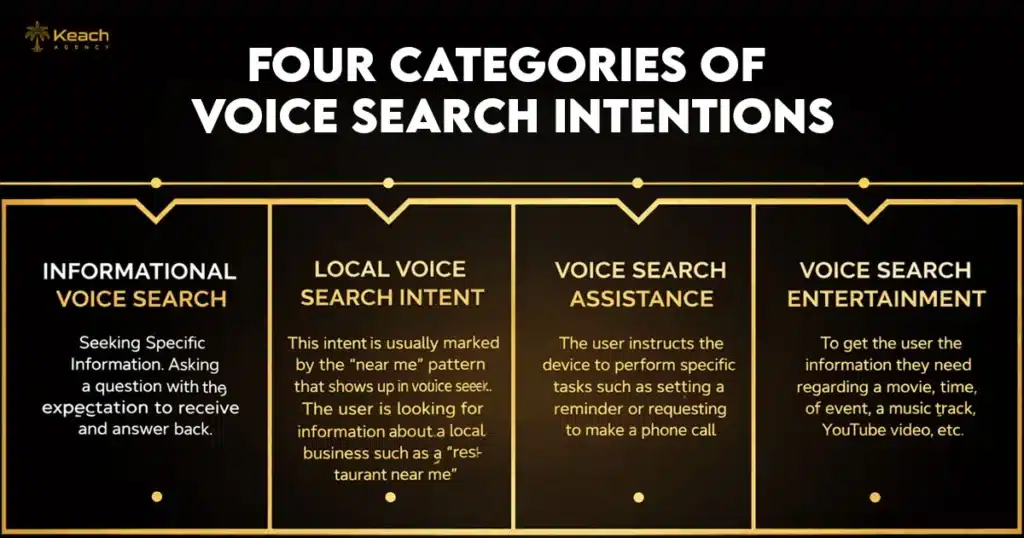
Voice searches don’t look anything like typed ones.
People don’t say:
“SEO agency ___.”
They say:
“Alexa, find me the best SEO agency near me that works with small businesses.”
This shift has created three major changes:
1. Searches Sound Like Real Conversations
People speak the way they talk in real life; full sentences, specific questions, and natural phrasing.
2. The “One Answer Only” Problem
Smart assistants usually give one result, not a list of ten links.
If you’re not the answer, you don’t exist in voice search.
3. Clearer Search Intent
Voice queries reveal exactly what someone wants:
- “Buy…” = ready to purchase.
- “Find…” = researching options.
- “How to…” = wants information.
This helps you create content that meets real needs, not just keywords.
How Smart Assistants Actually Pick Their Results
Each device pulls information from different places:
- Alexa = Amazon data, Bing, Yelp.
- Google Assistant = Google search, Featured Snippets, Maps, reviews.
- Siri = Apple Maps, Yelp, Bing.
To win voice search, your content needs to be:
- Trustworthy.
- Clear and easy to read.
- Structured with a proper schema.
- Relevant to your local area (for “near me” searches).
Need a complete voice SEO strategy?
Tell us your niche and we’ll build a customized plan.
Voice Search Optimization Strategies For 2026
1. Write the Way People Talk
Focus on natural questions and conversational phrases.
Examples:
- “What’s the best time to post on TikTok?”
- “How much does SEO cost in 2026?”
- “Which agency is best for small businesses?”
FAQ pages, Q&A sections, and how-to guides all help you rank higher for these queries.
2. Structure Content for Featured Snippets
Voice assistants love clear, quick answers.
Use:
- Short definition paragraphs.
- Bullet points.
- Step-by-step lists.
- Clean headings.
If Google uses your content as a snippet, you usually become the voice result too.
3. Strengthen Your Local SEO
Most voice searches are local:
- “Alexa, what restaurants are open right now?”
- “Siri, where’s the closest mechanic?”
So make sure you optimize:
- Google Business Profile.
- NAP (Name, Address, Phone) consistency.
- Local reviews.
- Local-focused content.
- Service-area pages.
4. Add Schema Markup
Schema tells smart assistants what your content means, not just what it says.
Use schema for:
- FAQs.
- Local business information.
- How-to guides.
- Products.
This increases your chances of being the single spoken answer.
5. Think in Ecosystems, Not Just Search Engines
Each device has its own world:
- Amazon = product listings, Alexa skills, local services.
- Google = search + home devices.
- Apple = Siri shortcuts, Maps, and iOS integrations.
Brands that work into these ecosystems win more smart home voice search visibility. Check out our SEO services page for guidance on building content that ranks across voice, local, and multi-platform search.
What’s Next For Voice Search
Experts predict that by 2027, over 60% of all searches will involve voice, especially for quick answers, shopping, and local services.
Voice search will influence:
- Product discovery.
- Local SEO rankings.
- Customer service interactions.
- Brand trust.
- Every day, buying decisions.
Businesses that ignore voice optimization will fall behind.
Those who adapt early will lead their markets.
Want voice-search keyword clusters?
Say “generate keywords” and we’ll create lists for you.
FAQs
What is voice search optimization?
It’s the process of making your content easy for smart assistants like Alexa or Siri to read and use as an answer.
How is voice SEO different from regular SEO?
Traditional SEO aims to rank in a list of results. Voice SEO aims to become the one answer.
Does voice search help local businesses?
Absolutely! Most voice searches are “near me” or location-based.
Do I need schema markup?
Yes. It helps voice assistants understand your content and choose it as a result.
Can any business rank for voice search?
Yes! If you create clear, authoritative, conversational content, you can compete in any niche.