
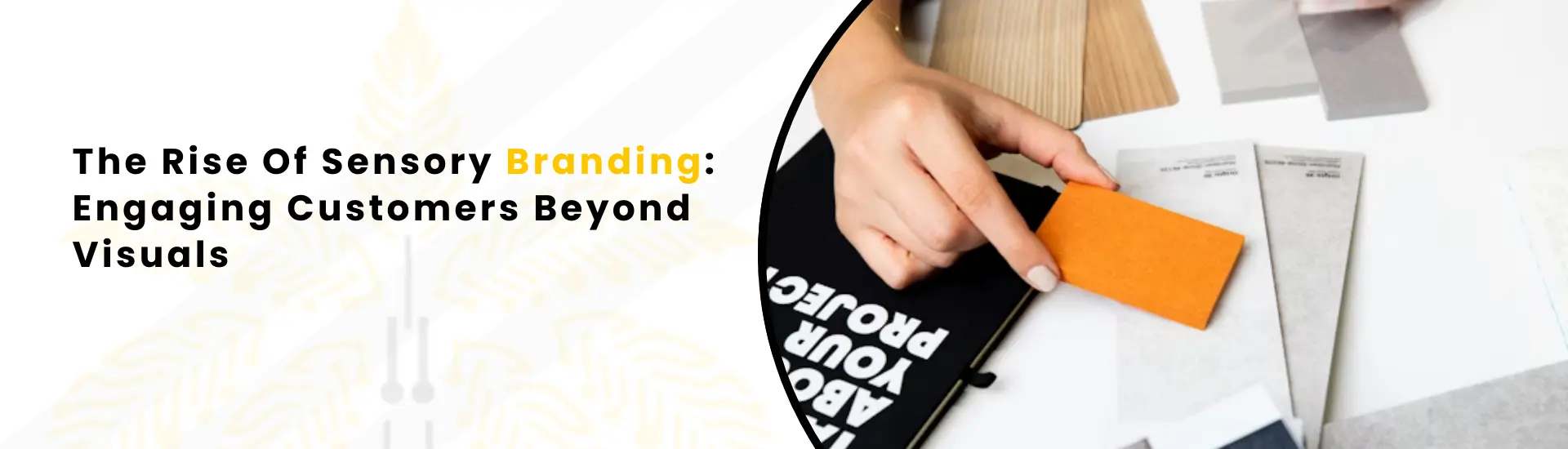
Seeing Isn’t Everything
There used to be brands that just put on a logo, picked some colors, and inserted a catchy tagline. That was enough, but not anymore. It’s 2025, nobody’s getting hyped over a logo.
People want more than just something to look at; they want to actually feel your brand.
That’s why sensory branding is everywhere now. It’s about grabbing all five senses and making your brand something people remember, not just recognize.
The top brands these days? They’re not just planning for your eye; they’re after your ears, nose, and fingertips. Sure, visuals get people to notice you. But it’s the other senses that make them stay and care.
Want your brand to stick in people’s minds?
Let’s make something your customers can honestly feel, not just see.
What Exactly Is Sensory Branding?
Sensory branding means mixing in more than one sense to make people feel a real connection. It’s the reason you crave coffee just from catching that smell or feeling weirdly chill when you hear a playlist. That’s not an accident.
It’s more than just advertising; it’s about building a bond between people and your product. Every little thing, like your packaging’s texture or the sound your app makes when it loads, adds another layer to your story. That’s what great brand experience design is: turning small sensory details into emotional memories that make your brand feel like something real.
Why Senses Hit Us
Brains are funny; we’re wired to link memories to stuff like smells or sounds way faster than just images. That’s why brands that nail the sensory stuff can make you feel nostalgia, excitement, or even trust, way before your brain even starts thinking logically. Honestly, the power of emotional marketing.
Stop aiming just for people’s eyes.
Build a brand they can smell, hear, and touch; that’s where the real loyalty starts.
The Science Of Brand Perception
When you walk into a cool store and tbrand perceptionhink, “Wait, why does it smell the same as the one across the country?” Not a coincidence. That’s .
Our brains hold onto scent way faster than visuals. And sound? Sometimes you hear a sound and instantly know the brand before you see a thing.
How the big names do it:
Sound: Netflix’s infamous drum. You hear it, you know what’s coming.
Touch: Apple’s boxes just feel fancy, before you even get to the gadget.
Smell: Starbucks always smells like coffee, no matter where you go.
All these little things build up a brand experience design that’s more than just what you see.
The Future Of Sensory Branding
Technology’s just making this even wilder. Imagine VR shops where you can actually smell stuff, fashion catalogs online with textured “pages,” or restaurants using music to change how food tastes.
People are attacked with screens, but honestly, they want something that feels genuine. Sensory branding gives them that.
Ready to wake up every sense with your brand?
Let’s make something nobody’s gonna forget.
Conclusion:
At the end of the day, branding isn’t just about what people see; it’s about what they feel. Sensory branding takes things ahead by turning your brand into something people can connect with.
They make people feel something real. Whether it’s the cozy smell of a coffee shop, the satisfying texture of good packaging, or the sound of a familiar notification, those are the details that stay with customers.
So if you want your brand to be remembered, make it something people can sense, not just see.
Explore strategies and insights on Keach Agency to see how brands are building emotional connections that last.
FAQs
Q1: Why should modern businesses care about sensory branding?
A: Because people remember how your brand made them feel. Not just what it looked like. That’s what stays.
Q2: Sensory branding vs. emotional marketing, what’s the difference?
A: Emotional marketing uses stories to get into feelings.
Sensory branding goes right to your senses.
Both work, but together? Even better.
Q3: How can small businesses start with sensory branding?
A: Just start with one sense. Try a signature scent in your shop, a fun notification sound for your app, or packaging that’s nice to touch and see. Build from there; no need to go over the top right away.